Let’s talk upgrades—the kind that actually move the needle on rent, not the ones that just make you feel like you’re on HGTV at 2 a.m. with a credit card in hand. Because in property management, there’s a fine line between “this will get me $200 more a month” and “this looked really cool on Pinterest but now I’m broke.”
The truth is, not all renovations are created equal. Some upgrades practically pay for themselves (and then some), while others just make your unit prettier for the next tenant who still negotiates rent like they’re buying a used car.
So if the goal is maximizing rent—not just vibes—here’s where you want to focus.
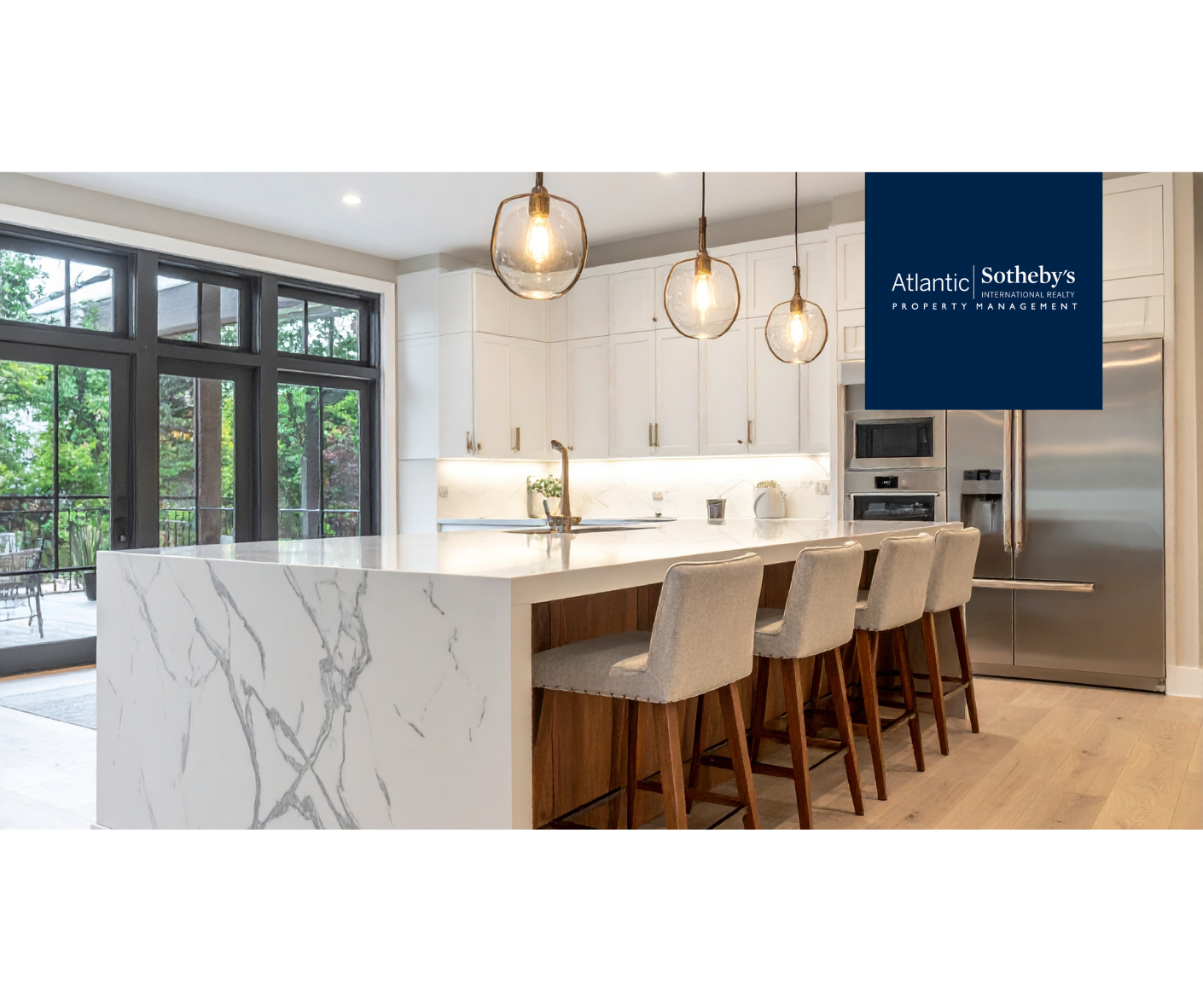
First up: kitchens. I know, groundbreaking. But hear me out—it’s not about doing a full gut renovation with imported Italian marble that costs more than the tenant’s annual salary. It’s about smart, targeted upgrades that make the space feel modern and functional.
Think newer cabinets (or even just painting existing ones), updated hardware, a clean backsplash, and—this is key—stainless steel appliances. Stainless steel has somehow become the universal signal for “this place is legit.” You could have a completely average kitchen, but throw in stainless steel and suddenly tenants are like, “Wow… luxury.”
Quartz countertops, if budget allows, are another strong play. They look high-end, are durable, and photograph incredibly well—which matters more than we sometimes admit. Because let’s be honest, your unit’s first showing is online, not in person.
Bathrooms come in as a close second. Again, we’re not talking about turning your rental into a spa retreat in the Alps. Small changes go a long way. Updated vanities, modern light fixtures, new mirrors, and re-grouted or refreshed tile can make a bathroom feel brand new without a full remodel.
And please—if there’s one thing to prioritize—it’s cleanliness and simplicity. Tenants don’t need a rainfall shower with Bluetooth speakers. They just want a bathroom that doesn’t feel like it’s seen things… things it shouldn’t have.
Flooring is another big one, and this is where you can really separate yourself from the competition. If your property still has old carpet—especially that mysterious beige that’s been there since 2004—it’s time to let it go. Carpet in rentals is like that one friend who keeps promising they’ve changed. They haven’t.
Luxury vinyl plank (LVP) is the current MVP. It’s durable, water-resistant, looks great, and holds up well against tenants, pets, and life in general. Hardwood is beautiful, sure, but LVP gives you the look without the stress of every scratch feeling like a personal attack.
Open layouts—or at least the perception of openness—also matter more than ever. You don’t necessarily need to start knocking down walls like you’re on a demolition show, but if there are easy ways to improve flow or sightlines, it can make a huge difference in how the space feels.
Lighting is the sneaky upgrade that people underestimate. Swap out old, dim, yellow-toned fixtures for bright, modern lighting, and suddenly the entire unit feels more inviting. Add in some under-cabinet lighting in the kitchen, and now you’re flirting with “wow” territory.
Natural light is even better, but unless you’re planning to install new windows (and if you are, we should talk about your budget), focus on maximizing what you already have. Clean windows, lighter paint colors, and minimal window coverings can go a long way.
Speaking of paint—this is probably the highest ROI upgrade you’ll ever do. A fresh coat of neutral paint can transform a space instantly. And when I say neutral, I mean neutral. This is not the time to experiment with bold accent walls or that “moody green” you saw online.
Your goal is to create a blank canvas where tenants can imagine their own lives—not feel like they’ve moved into yours.
Now let’s talk about amenities and features that tenants are increasingly willing to pay more for. In-unit laundry is a big one. If your property has the ability to add a washer and dryer, it’s often worth it. People really don’t enjoy hauling laundry around like they’re training for a fitness competition.
Storage is another underrated value driver. Closet organization systems, additional shelving, or even just making sure existing storage is functional can make your unit stand out. Tenants have stuff. Lots of it. If you can make it easier for them to store that stuff, you’re already ahead.
Energy efficiency is starting to matter more too—not just for the environment, but for tenants’ wallets. Updated windows, better insulation, and energy-efficient appliances can justify higher rent because they lower utility costs. It’s one of those upgrades where everyone wins.
Curb appeal shouldn’t be ignored either, especially for single-family homes or smaller multi-family properties. First impressions matter. A clean exterior, fresh landscaping, and a well-maintained entryway can set the tone before a tenant even walks inside.
It doesn’t need to look like a botanical garden—just neat, intentional, and cared for. Basically, you want the property to say, “I’ve got my life together,” even if everything behind the scenes is a controlled chaos of vendor calls and maintenance requests.
Now, let’s address the upgrades that don’t always give you the return you think they will. High-end, ultra-custom features can be risky. That built-in wine fridge or ultra-modern open shelving might appeal to some tenants, but it can also turn others off.
Remember, rentals are about broad appeal. You’re not designing your dream home—you’re creating a product that needs to attract as many qualified tenants as possible.
Smart home features are a bit of a gray area. Things like smart thermostats and keyless entry can be appealing and relatively low-cost, but going overboard with tech can backfire. Not everyone wants to download three apps just to turn on a light.
Keep it simple, functional, and user-friendly.
At the end of the day, the best upgrades are the ones that hit that sweet spot between cost, durability, and tenant appeal. You want improvements that not only justify higher rent but also reduce maintenance headaches and turnover.
Because here’s the thing—an upgrade isn’t just about increasing rent. It’s also about attracting better tenants, reducing vacancy time, and creating a property that people actually want to stay in.
And longer tenancies? That’s where the real money is.
So before diving into your next renovation project, ask yourself a simple question: “Will this make a tenant more likely to choose this property—and pay more for it?”
If the answer is yes, you’re on the right track.
If the answer is “well, it would look really cool on Instagram,” maybe take a step back.
Your bank account will thank you.
 (1920 x 1005 px).png)